26 Oct 2026
Charting Compliance Pathways for Emerging Clean Air Innovations in Residential Design
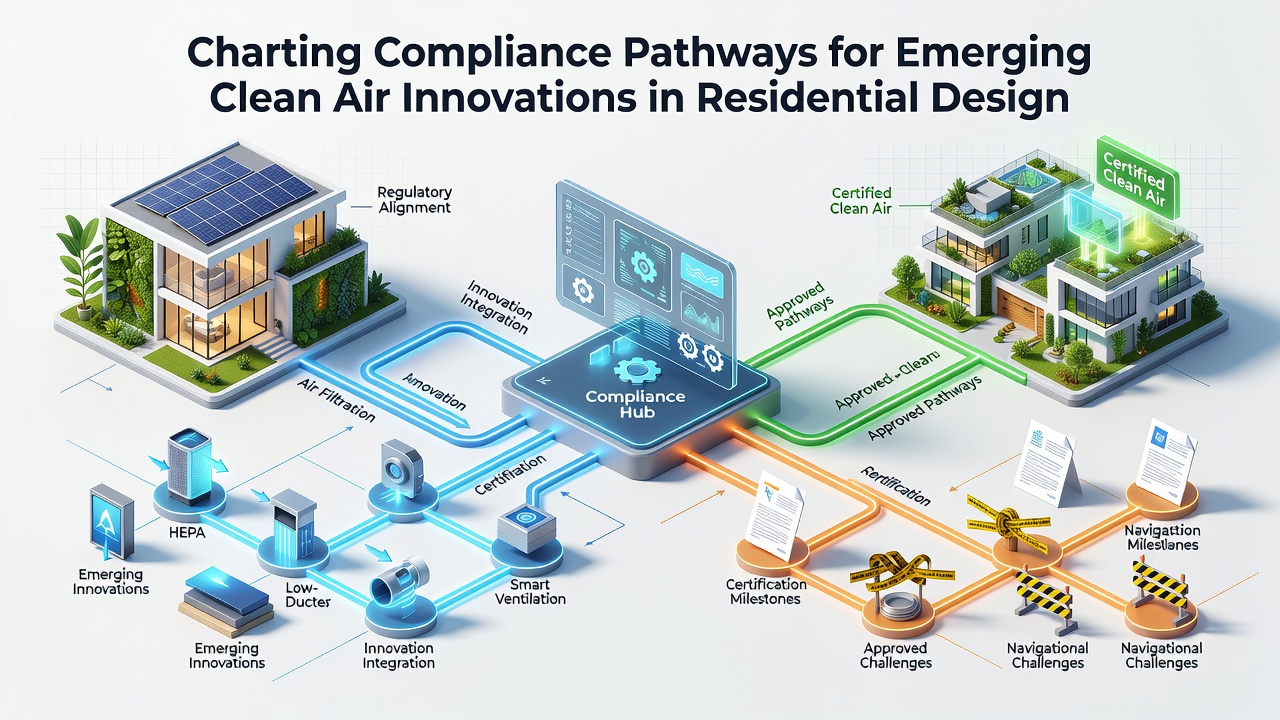
Emerging clean air innovations continue to reshape residential design as builders and manufacturers navigate an expanding set of regulatory requirements that govern indoor air quality, energy performance, and safety standards across multiple jurisdictions. Data from government agencies shows that homes incorporating advanced filtration, ventilation controls, and sensor-driven systems must meet criteria established under building codes and environmental regulations, and those who study these developments note that successful market entry depends on mapping clear compliance routes early in the product development cycle. Research indicates that standards set by bodies such as the United States Environmental Protection Agency and equivalent agencies in other regions create layered obligations that cover emissions testing, material safety, and system integration with existing residential infrastructure.
Regulatory Frameworks Across Regions
Compliance pathways begin with an understanding of the distinct rules that apply in different markets, where the United States Environmental Protection Agency maintains guidelines on indoor air quality that influence product certification while Health Canada enforces parallel requirements for residential ventilation equipment. Observers note that these frameworks often intersect with energy codes administered at state or provincial levels, creating situations where a single device must satisfy both air quality thresholds and efficiency benchmarks simultaneously. In the European context, directives on construction products impose additional documentation demands that address chemical emissions and system durability, and researchers have documented how manufacturers align their testing protocols to satisfy multiple sets of criteria without redundant validation steps. Those who have examined implementation timelines find that updates scheduled for October 2026 in several jurisdictions will introduce tighter particulate matter limits and expanded documentation for smart control features, prompting design teams to adjust sensor calibration methods and reporting formats ahead of enforcement dates.
Testing and Certification Processes
Product developers follow structured testing sequences that verify performance under standardized conditions before seeking third-party validation, and evidence shows that laboratories accredited under international standards reduce the risk of retesting when products move between regions. Certification bodies evaluate parameters such as airflow rates, filter efficiency, and noise output while cross-checking material composition against restricted substance lists maintained by regulatory authorities. One case study involving a residential air handling unit revealed that early engagement with certification experts allowed the design team to incorporate modular components that met both North American and European requirements without major redesign, and figures from industry reports confirm that this approach shortened approval cycles by several months. Data indicates that digital modeling tools now support virtual compliance checks that flag potential issues before physical prototypes are built, allowing teams to refine designs while staying within documented performance envelopes.
Integration With Residential Building Codes
Once individual components receive certification, integration into actual homes requires coordination with local building codes that address ductwork placement, electrical connections, and overall system balancing. Experts have observed that jurisdictions adopting updated residential energy codes increasingly require documentation showing that clean air systems do not compromise thermal performance or create pressure imbalances that affect combustion appliances. In practice, this means installers must provide calculations demonstrating that ventilation rates align with occupancy levels while maintaining the airtightness targets set by energy standards, and those calculations often draw on software approved by code authorities. Research from academic institutions highlights that homes designed with centralized monitoring platforms can generate the usage data needed for post-occupancy compliance verification, turning routine operation into a source of evidence that systems continue to meet original performance claims.
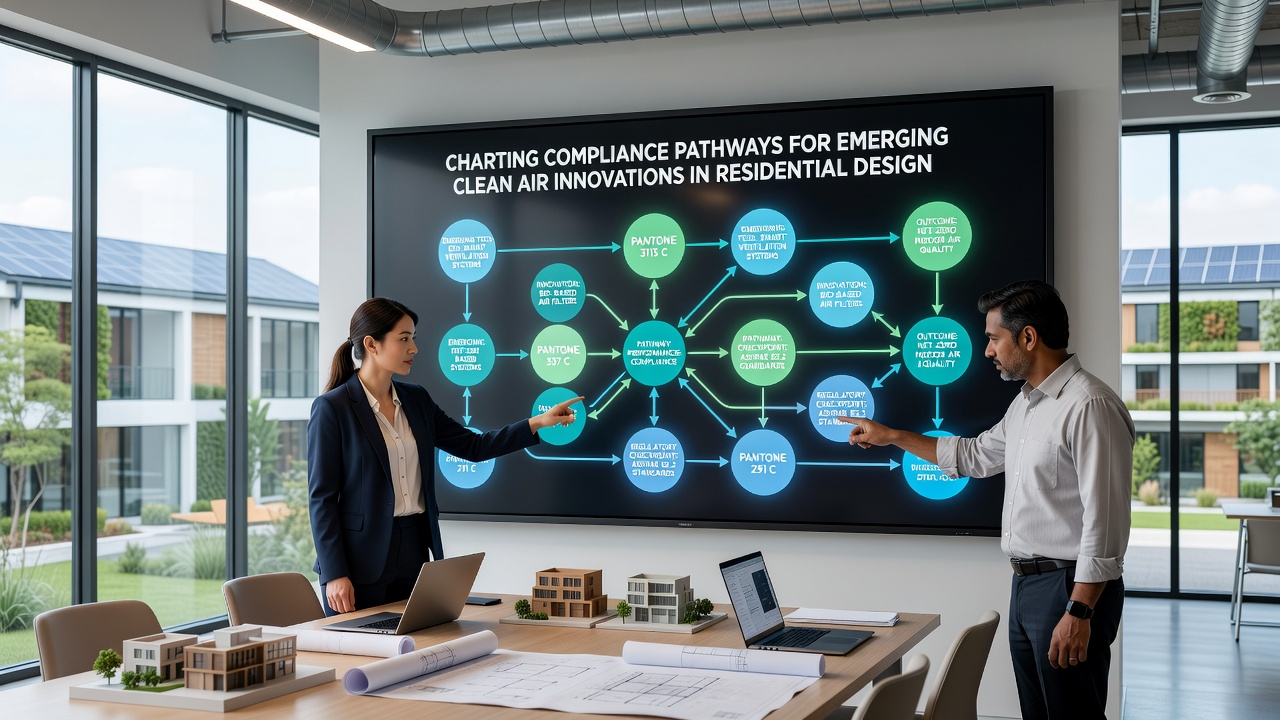
Documentation and Ongoing Reporting Obligations
Manufacturers maintain detailed records that support initial certification and subsequent audits, and regulatory agencies expect these records to include batch testing results, supply chain traceability, and software update logs for connected devices. Observers note that the shift toward connected systems adds requirements for cybersecurity documentation because control software can influence safety functions such as carbon monoxide detection or filter replacement alerts. In several regions, periodic revalidation becomes necessary when components change or when new test methods are adopted, and companies that build modular compliance files find it easier to update sections rather than recreate entire submissions. Evidence suggests that cloud-based record systems facilitate sharing of verification data with inspectors and homeowners while preserving version control that satisfies audit trails.
Future Developments and Preparation Strategies
Preparation for the October 2026 regulatory adjustments involves monitoring proposed rule changes through official channels and participating in public comment periods that shape final language. Research institutions have begun publishing comparative analyses of emerging test methods, and manufacturers use these analyses to anticipate which laboratory capabilities will be in demand once new standards take effect. Those who track international harmonization efforts report that alignment between testing protocols in different countries continues to reduce duplicate work, although differences in acceptable exposure limits remain a point of divergence that requires market-specific labeling and performance claims. Companies that maintain active relationships with standards development organizations gain early insight into technical shifts, allowing them to schedule internal validation work in advance of mandatory deadlines.
Conclusion
Charting compliance pathways for clean air innovations in residential settings requires systematic attention to testing sequences, certification requirements, and integration rules that vary by region yet share common documentation principles. Data from regulatory sources and research studies shows that early mapping of obligations, combined with modular design approaches and digital record-keeping, enables manufacturers and builders to meet current standards while preparing for updates scheduled in October 2026. As connected systems become more common, the intersection of air quality performance with cybersecurity and energy requirements will continue to define the practical steps that determine successful market access.